
The allure of casinos
Casinos have long been a popular destination for entertainment and excitement, drawing millions of visitors eager to try their luck. The atmosphere is often electric, filled with the sounds of slot machines, the cheers of winners, and the tantalizing sounds of rolling dice. This captivating environment can easily lure individuals into spending more than they initially intended, as the thrill of winning blinds them to the potential pitfalls that accompany gambling, especially when playing pokies online which can amplify the risk. The initial investment can quickly escalate, making it essential for gamblers to recognize the complexities of casino gameplay beyond mere winnings.
Moreover, the psychology behind gambling is designed to keep players engaged. With complimentary drinks, vibrant lights, and constant promotions, casinos create an environment that encourages prolonged play. This setup can lead to chasing losses, where players continue to wager in hopes of recouping their initial losses. As a result, what starts as an enjoyable outing can transform into a hazardous financial slip, underscoring the importance of setting strict budgets when visiting casinos.
The allure of casinos is further amplified by the social aspect of gambling. Many patrons enjoy the camaraderie that comes from playing at tables, sharing experiences, and celebrating wins together. However, this social dynamic can also lead to increased spending as individuals may feel pressured to keep up with friends or participate in further gambling activities. Recognizing this influence is crucial for anyone considering a visit to a casino, as it highlights the hidden costs that may arise from seemingly harmless entertainment.
The financial implications of gambling
While many individuals treat gambling as a form of entertainment, the financial implications can be profound. It’s easy to overlook how quickly expenses accumulate when one factors in not just the stakes at the tables, but also the additional costs associated with a casino visit. The costs of food, drinks, transportation, and lodging can add up significantly, often surpassing the original gambling budget. For instance, simply ordering a drink can cost much more in a casino than in a local bar, and dining options, especially at upscale venues, can lead to unexpected expenses.
Additionally, there are often fees associated with purchasing chips or accessing certain games, which can further deplete a player’s bankroll. Some casinos even charge admission fees for specific events or promotions, which contributes to the overall cost of the gambling experience. Players might assume they are only risking their chip investments, but these ancillary charges can create a more substantial financial burden without them realizing it. The combination of keen marketing tactics and hidden fees makes thorough budgeting essential for anyone looking to gamble responsibly.
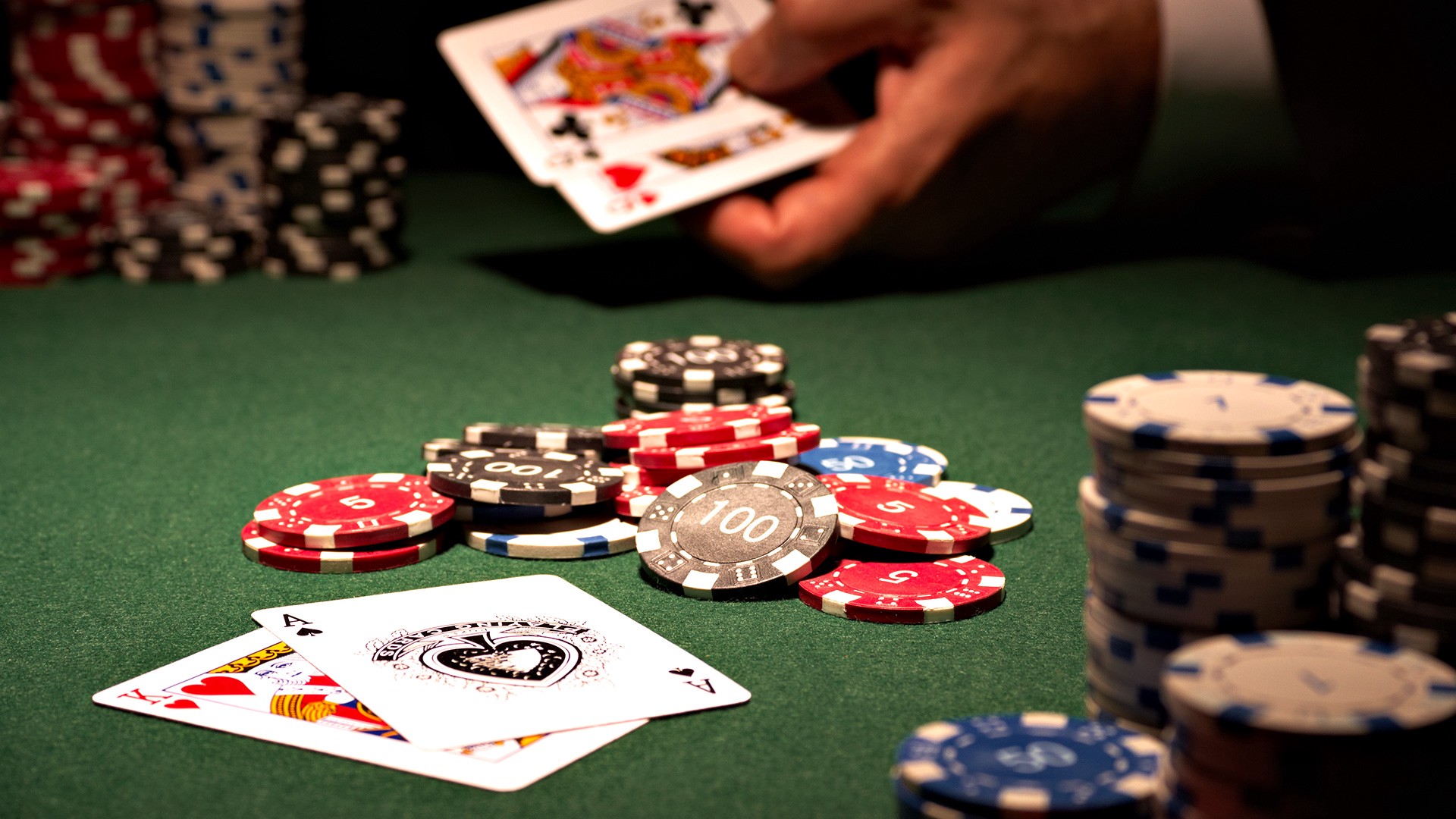
Beyond immediate expenses, gambling can also have long-term financial repercussions. It’s crucial for individuals to consider the possibility of problem gambling, which can lead to significant debt or financial ruin. Those who find themselves unable to control their gambling habits may face dire consequences, including bankruptcy and relationship strain. Thus, understanding the broader financial implications of gambling is vital for players to maintain both their financial health and their overall well-being.
The impact on mental health
The mental health impact of gambling at casinos is another crucial aspect that often goes unnoticed. While the thrill of winning can provide a temporary high, the reverse is true for losses, which can induce feelings of anxiety, depression, and even shame. Many gamblers experience emotional rollercoasters associated with their gambling behavior, leading to stress that affects their overall quality of life. The intense emotions of winning and losing create a psychological dependency that can take a toll on mental wellness.
Additionally, the fast-paced environment of casinos, combined with the social pressures mentioned earlier, can exacerbate feelings of isolation for some individuals. Those who struggle with gambling may find it difficult to express their challenges to friends or family, leading to a sense of loneliness. Over time, this isolation can escalate, resulting in severe anxiety and depressive disorders, which highlight the importance of recognizing gambling as a double-edged sword that can provide pleasure while also posing risks to mental health.
It is essential for gamblers to be aware of these mental health risks and seek help if necessary. Many support networks and counseling services exist to assist those struggling with gambling addiction. Recognizing the signs of problematic gambling behavior and understanding its effects on mental health can empower individuals to make informed decisions about their gambling activities, allowing them to enjoy the experience without compromising their emotional well-being.
Strategies for responsible gambling
Embracing responsible gambling practices is vital for maintaining a healthy relationship with gaming establishments. Setting budgets and sticking to them can significantly reduce the likelihood of overspending. Gamblers should decide in advance how much they are willing to spend on entertainment and treat it as an expense similar to dining out or attending an event. Establishing clear limits not only protects finances but also promotes a more enjoyable experience, devoid of the stress commonly associated with financial loss.
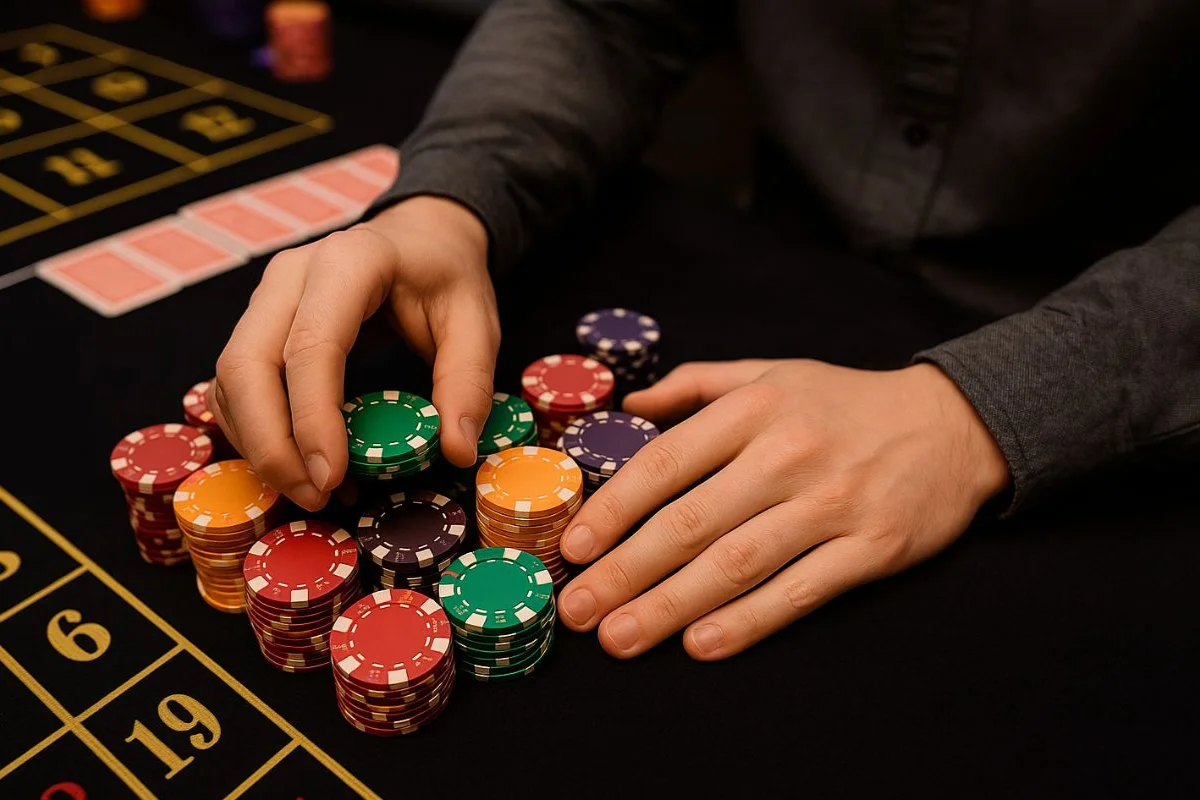
Another effective strategy is to set time limits for gaming sessions. Casinos are designed to keep players engaged, so it’s easy to lose track of time while immersed in games. By predefining the time spent gambling, players can ensure they have a balanced approach to their visit. Utilizing alarms or reminders can be a practical way to enforce these limits and prevent excessive play, which can lead to regrettable decisions and hidden costs.
Additionally, being mindful of emotional states prior to gambling can help prevent impulsive decisions. Those feeling vulnerable, stressed, or overly excited may be more likely to gamble recklessly. Assessing one’s emotional readiness before stepping into a casino allows individuals to make informed choices about when to gamble and when to step back. By following these strategies for responsible gambling, players foster a healthier environment for themselves and minimize potential hidden costs.
Your resource for gambling insights
Understanding the hidden costs of gambling requires access to credible resources and insights that can guide responsible gaming habits. Numerous websites and forums provide information on gambling strategies, responsible gambling practices, and stories from other players. These resources are invaluable for both novice and seasoned gamblers looking to enhance their knowledge and make informed decisions.
Additionally, educational platforms often offer tools and support to individuals concerned about their gambling habits. This includes self-assessment tests, tips on setting limits, and access to professional help if needed. Engaging with such resources fosters community support and promotes a more responsible gambling culture, enabling players to enjoy their experiences while being aware of the hidden costs associated with casino visits.
Ultimately, fostering a culture of informed gambling can significantly reduce the risks involved in the activity. By being proactive and seeking out resources, players can equip themselves with the knowledge needed to enjoy gambling responsibly and minimize hidden costs. This approach not only benefits the individual but also contributes to a healthier gaming environment for everyone involved.
